
Modern action films are louder than ever.
Bigger explosions. Faster edits. Endless destruction.
Yet many viewers walk out feeling strangely unmoved.
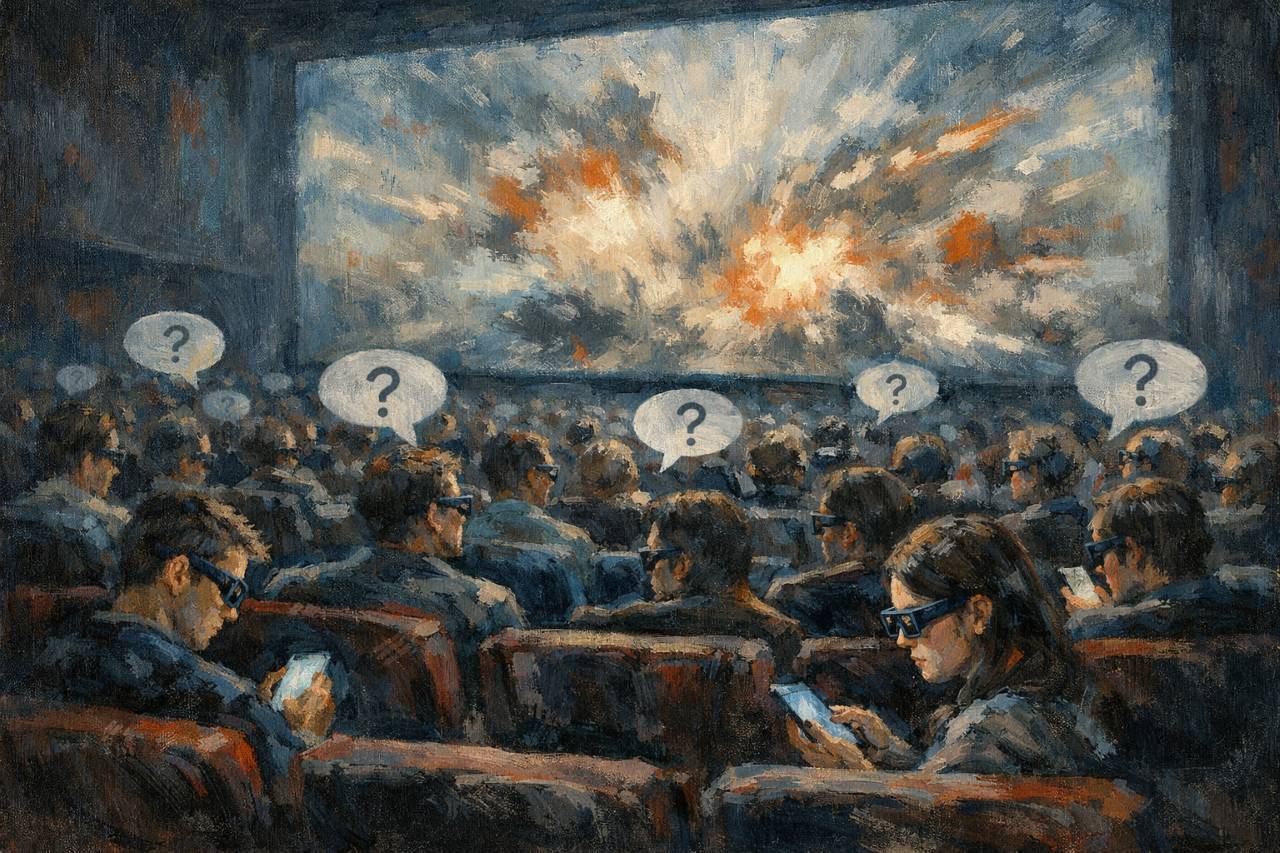
The question is not whether action cinema has evolved; IT HAS.
The QUESTION simply is: Why so much of it feels hollow despite technical excellence?
The Illusion of Intensity
Contemporary action films often confuse sensory overload with intensity.
Rapid cuts, aggressive sound design, and constant motion create the feeling of excitement without building genuine tension. When every moment is pushed to maximum volume, nothing stands out.
Classic action relied on escalation.
Modern action defaults to saturation.
The result is noise without rhythm.
This kind of relentless escalation is evident in our review of Wrecking Crew, where constant momentum replaces carefully built tension.
When Spectacle Replaces Stakes
Action works best when the audience understands WHAT CAN BE LOST.
In many recent films:
- Cities collapse with no emotional cost.
- Characters survive impossible odds repeatedly.
- Consequences reset scene by scene.
When destruction becomes routine, it stops meaning anything.
Spectacle is impressive.
Stakes are essential.
As discussed in our review of Border 2, large-scale action loses impact when destruction is repeated without lasting emotional or narrative consequences.
Without emotional grounding, action becomes visual wallpaper.
Characters Reduced to Functions
Another reason modern action feels empty is the erosion of character interiority.
Many protagonists exist only to:
- Deliver punches
- Fire weapons
- Move the plot forward
They rarely pause, doubt, or change.
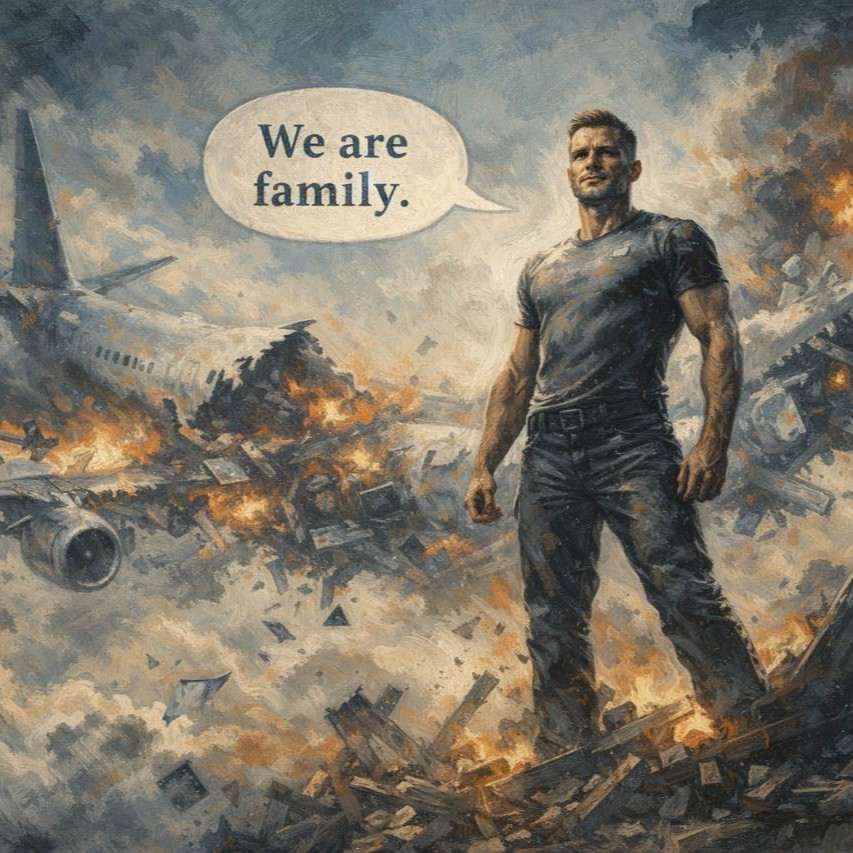
People defined earlier action heroes by limits, either physical, moral, or emotional. Today’s leads are often invincible avatars designed to survive franchises rather than stories.
This erosion of character depth is explored in our review of Dhurandhar (2026), where the protagonist often functions more as a narrative driver than a fully evolving character.
When characters cannot break, audiences cannot connect.
Editing That Kills Geography
Modern action cinema often sacrifices spatial clarity for speed.
Over-editing creates confusion:
- The audience loses track of where the characters are.
- Action becomes abstract rather than visceral.
- Impact feels simulated instead of felt.
Clear geography allows tension to breathe.
Chaos without orientation becomes exhausting.
Ironically, smoother technology has led to shakier storytelling.
Sound Design as Bludgeon
Loudness has replaced musicality.
Soundtracks and effects are mixed to overwhelm rather than support rhythm. Silence is rarely allowed to exist, even briefly.
But silence is what makes an impact land.
When everything screams, nothing speaks.
Franchise Thinking vs Scene Thinking
Many modern action films are built as connective tissue rather than standalone experiences.
Scenes exist to:
- Set up sequels
- Introduce future characters
- Tease larger universes
Action becomes a delivery system for IP expansion.
Older action films were designed to resolve themselves.
Modern ones are designed to continue indefinitely.
Franchise-first design is central to our review of Avatar: Fire and Ash, where individual scenes often feel shaped by long-term universe planning rather than standalone dramatic payoff.
Closure has become optional. Momentum is mandatory.
The Loss of Vulnerability
Perhaps the biggest loss is vulnerability.
Great action is not about invincibility; it is about risk. Physical risk. Moral risk. Emotional risk.
When heroes are untouchable, victory feels preordained. When failure is impossible, success feels meaningless.
Modern action often forgets that audiences respond more to fear than force.
What Still Works (And Why It Matters)
Not all modern action is empty.
Films that still resonate tend to:
- Limit scale deliberately
- Focus on character decisions
- Use action as consequence, not decoration
These films understand that restraint is power.
Not all modern action suffers from this emptiness—our review of Avatar: The Way of Water shows how deliberate pacing and visual geography can restore weight to spectacle.
They remind us that action cinema is not dying: IT IS SIMPLY MISUSED.
NOTE: Action cinema has historically relied on rhythm, clarity, and consequence. Institutions like the British Film Institute have been discussing these principles for a long time.
The Path Forward
Action films do not need to become smaller.
They need to become sharper.
Less noise.
More intention.
Audiences are not asking for realism. They are asking for meaning.
Looking back at our review of Avatar (2009), it’s clear how early blockbuster spectacle relied more heavily on clarity, progression, and emotional anchoring.
Until modern action cinema remembers that explosions are only tools, not emotions, many films will continue to feel loud, expensive, and strangely empty.
Ligerpool Takeaway
Action works when it reveals character under pressure.
When pressure disappears, so does impact.


