The Terminator is one of those rare films that wastes no time asking for your attention. From its opening moments, it pulls you into a bleak future ruled by machines and then slams you straight into a grim version of 1980s Los Angeles. This is not science fiction built on wonder or spectacle. It is built on fear, urgency, and the idea that the future is already hunting you.
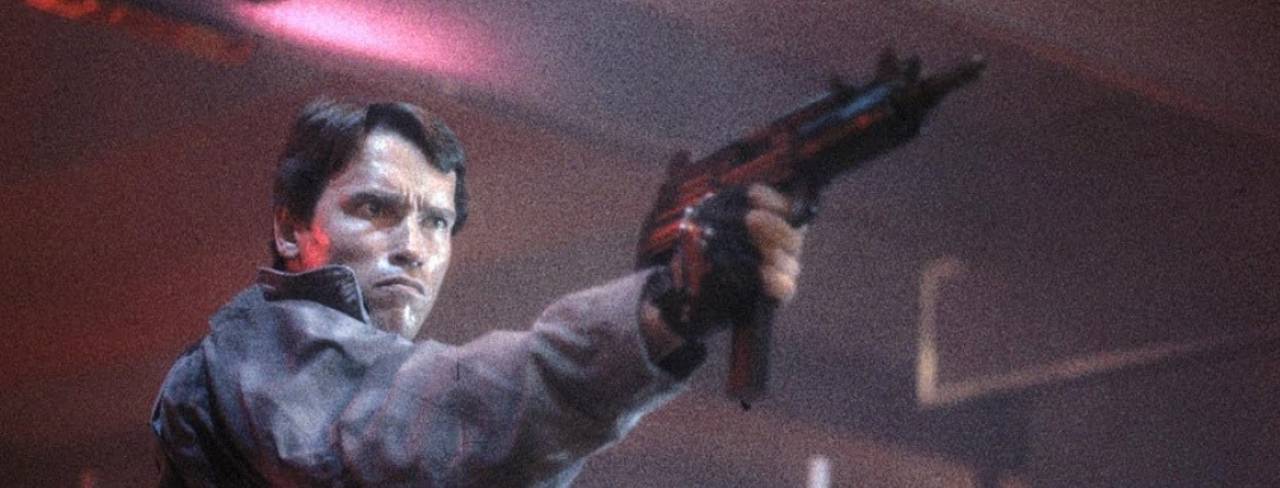
Released in 1984, The Terminator tells a deceptively simple story. A cybernetic assassin is sent back in time to kill Sarah Connor, an ordinary woman whose unborn son will one day lead humanity’s resistance against machines. Protecting her is Kyle Reese, a soldier from the future with nothing but determination and fading hope. What follows is a relentless chase movie disguised as science fiction, where survival is never guaranteed, and safety is an illusion.
The film’s greatest strength is its tone. Director James Cameron treats the Terminator not as a flashy robot, but as a walking nightmare. There is no mercy, no emotion, and no pause for reflection. The machine moves forward with cold logic, making every encounter feel inevitable. This approach turns the film into something closer to a horror thriller than a traditional sci-fi adventure, and that decision is what gives it lasting power.
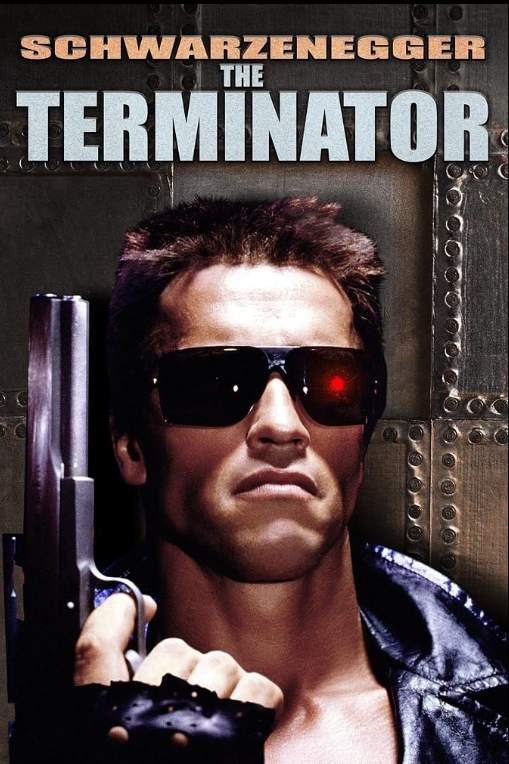
Arnold Schwarzenegger’s performance as the Terminator has become legendary, and with good reason. His minimal dialogue and rigid physicality make the character terrifyingly believable as a machine wearing human skin. What once seemed like limited acting now feels like perfect casting. Opposite him, Linda Hamilton delivers a grounded and convincing performance as Sarah Connor. Watching her transform from a frightened civilian into someone forced to fight back is one of the film’s most rewarding elements.
The action in The Terminator is fast, brutal, and stripped of excess. Gunfights are loud and chaotic, car chases feel dangerous rather than stylish, and injuries have real consequences. There is very little humour, very little comfort, and almost no downtime. The film moves with purpose, always pushing forward, much like the machine at its centre.
Despite its modest budget, the film’s practical effects remain impressive. The animatronic endoskeleton and stop-motion sequences may show their age, but they add to the gritty, handmade feel of the movie. Instead of breaking immersion, they remind you of a time when imagination and craftsmanship mattered more than digital perfection.
Beyond the action, The Terminator explores ideas that still resonate today. It raises questions about artificial intelligence, fate, and whether the future can truly be changed. The film suggests that technology, once unleashed, may not be so easily controlled, a theme that feels even more relevant decades later.
What makes it truly special is how complete it feels. It tells a full, satisfying story without relying on sequels or franchise expectations. While later films like Terminator 2: Judgment Day would expand the universe and increase the scale, this original entry remains the most focused and intense of them all.
Even after so many years, Terminator 1984 still holds up as a lean, mean, and unforgettable sci-fi thriller. It does not try to impress with grand speeches or complex mythology. Instead, it grips you with tension, refuses to let go, and leaves you thinking long after the final scene. Few films from the 1980s feel this sharp, this urgent, or this alive. If you want science fiction that feels dangerous and real, The Terminator remains an essential watch.
We placed this MOVIE under our TOP 10 ACTION MOVIES list.
Click to know more.
The Terminator 1984 Movie Review: Classic Sci-fi Thriller
- Story & Screenplay
- Direction
- Acting & Performances
- Action & Pacing
- Visual Effects & Production Design
- Music & Sound Design
- Rewatch Value
Summary
A gritty, fast-paced science fiction classic that blends horror, action, and time-travel into one of the most influential films of the 1980s.